

Spain in the 2026 World Cup: Between Optimism and the Reality of Injuries
The medical team of the Spanish team reveals the physical condition of the players and the keys to facing the competition.
The Spanish football team sets out on the road to the World Cup 2026 with a dose of optimism palpable. The majority of those summoned arrive in enviable physical condition, ready to compete at the highest level. However, the doctor Oscar Luis Celadadoctor of the national team, has put on the table an unavoidable reality: a group of footballers will drag muscle injuries or overloadsa scenario that, although worrying, is not unexpected given the demands of recent competitions.
The concatenation of matches in national and international leagues has taken its toll. “It was something to be expected,” says Celada, who also highlights that this situation is not exclusive to Spain, but affects several candidate teams for the title. This circumstance, paradoxically, could contribute to a balance of power in the tournament, opening the door to surprises.
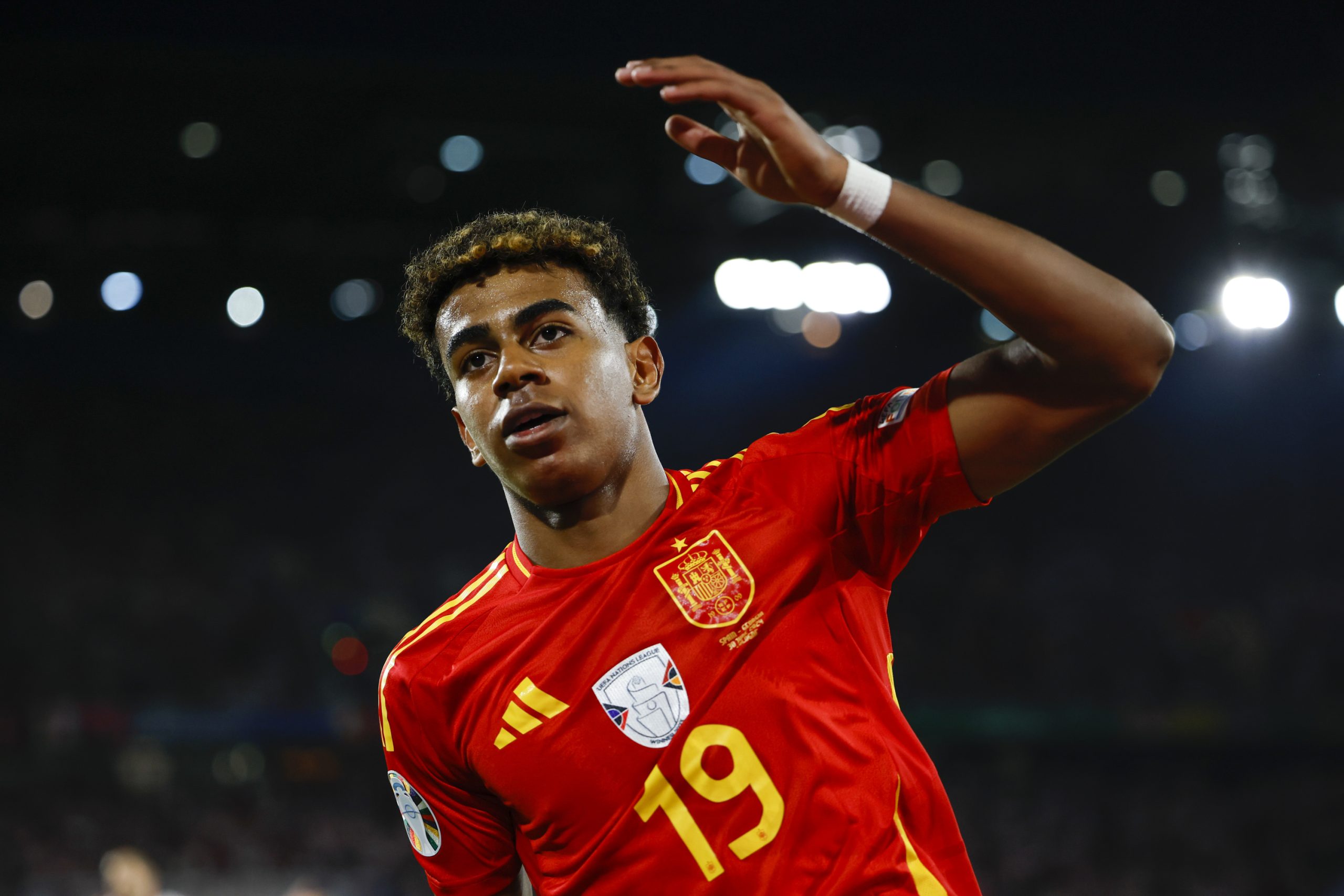
Celada himself, a key figure in both the national team and Atlético de Madrid, has confirmed that proper names such as the young Barcelona striker, Lamine Yamalthe destabilizing winger of Athletic Club, Nico Williamsand the talented Arsenal midfielder, Mikel Merinothey will arrive with ailments at the Spanish debut. This first match, scheduled against Cape Verde on June 15 in the Atlanta stadium (United States), will mark the beginning of the World Cup journey.
Despite the significant losses, Celada (originally from Luarca, Asturias, and born in 1966) is displayed confident. He estimates that this group of “three or four” players will be able to recover in time to provide valuable minutes during the group stage. Spain will share the group with Saudi Arabia, who will face the June 21and Uruguay, the June 27crucial appointments to advance in the tournament.
The doctor has valued the increased rest period between matches, which in the group stage will be five days. This measure, implemented by the organization, is emerging as a crucial factor to facilitate the recovery of footballers and mitigate the impact of injuries and overloads.
The medical team of the Spanish Federation has carried out a exhaustive study of the physical state of the 26 summoned. Attention has focused especially on the group of injured players, whose conditions have been communicated in detail to the coach and his coaching staff. The conclusion is encouraging: they are considered recoverablealthough it is noted that the level of demand of elite competition may prevent reaching the optimal performance from day one.
Celada does not hesitate to describe the Spanish league as one of the most competitive in the worldat the level of the Premier League, the Bundesliga, the Argentine and Brazilian leagues. The intensity of these competitions, with matches every three or four days, logically increases the risk of injuries and exhaustion. The teams considered favorites, with a large number of players playing in the most demanding European leagues, face a similar panorama.
Despite the physical inconveniences, Celada identifies Germany, England, Portugal, Argentina and Brazil as the toughest rivals that Spain could find in the knockout rounds. However, the World Cup always has room for surprises, and on this occasion, the doctor points to Colombia as a possible revelation.
Beyond the physical preparation, the doctor remembers that in a world championship, where the best on the planet meet, the technique, strategy, individualities and motivation they play a fundamental role. The luckthat unpredictable factor, can become determinant in the outcome of the meetings.
The mental strength and the team unit They are, for Celada, essential pillars to achieve success. “Minds are very important and energy is not only the calories that are ingested with food,” he emphasizes, emphasizing the importance of the mood and group cohesion.
The doctor has praised the evolution of sports medicinewhich in recent decades has incorporated cutting-edge technology for diagnosis. He even glimpses a near future where athletes could wear a subcutaneous microchip to monitor your vital signs and obtain data that optimizes your performance. “The possibility of making these diagnoses using a microchip is real because the technology exists,” he states with conviction.
However, he recognizes the ethical and legal challenges which would involve the implementation of computer systems in the human body, especially with regard to data protection. It would be essential to have the express consent of athletes and establish specific clauses in their contracts.
From an efficiency perspective, a microchip would offer notable advantages by making it easier to detect rest, hydration, or heart rate patterns. However, this advance collides head-on with the interference in private lifea complex debate that must be addressed.
Celada warns about the risk of abuse in managing the huge amount of data generated, which could lead to decisions being made without in-depth analysis. His experience confirms that enthusiasm and the spirit of competition They are factors of incalculable value.
The team doctor is categorical in stating that high-level sport, due to its degree of demand, “it's not healthy”. What is truly healthy is physical activity adapted to each age and condition, the so-called “sport for health.” Therefore, sports medicine must balance the pursuit of performance with health protection of the athlete.
Regarding the dopingCelada observes a decrease in its practice compared to past decades. He attributes this decline to a greater respect for health, increased anti-doping controls and a greater fear of sanctions.
Frequently Asked Questions about the 2026 World Cup and the Spanish National Team
- Which Spanish players will arrive injured at the 2026 World Cup?
- The national team doctor, Óscar Luis Celada, has confirmed that players like Lamine Yamal, Nico Williams and Mikel Merino will arrive with injuries or muscle overloads.
- What is the general optimism of Spain's medical staff for the World Cup?
- Optimism is high, since the majority of the squad arrives in good physical shape, although the situation of players with ailments is recognized.
- How much rest time will the players have in the group stage?
- The rest period between matches in the group stage has been increased to five days, which will promote recovery.
- Which teams are considered the strongest for Spain?
- Germany, England, Portugal, Argentina and Brazil are seen as the toughest rivals, although some surprises are expected, with Colombia as a possible candidate.
- What factors, in addition to physical condition, are important in the World Cup?
- Technique, strategy, individuality, motivation and luck are crucial for success in the tournament.
- What technological advances are on the horizon in sports medicine?
- The use of subcutaneous microchips to monitor vital signs and optimize performance is planned, although ethical and legal challenges exist.
- Is high-level sport healthy according to the team's doctor?
- No, Dr. Celada believes that high-level sport is not healthy, and that what is healthy is adapted physical activity.
- Has doping in football decreased?
- Yes, doping is considered to be less than decades ago due to greater respect for health, more controls and fear of sanctions.
- When does Spain debut in the 2026 World Cup?
- Spain debuts against Cape Verde on June 15 at the Atlanta stadium (United States).
- Who are Spain's other rivals in the group stage?
- Spain will also face Saudi Arabia on June 21 and Uruguay on June 27.
Do you want to stay up to date with all the news and analysis of the World Cup? Join our community on Telegram and don't miss anything! https://t.me/casino_gurus
https://casinos-guru.com/espana-en-el-mundial-2026-entre-el-optimismo-y-la-realidad-de-las-lesiones/