

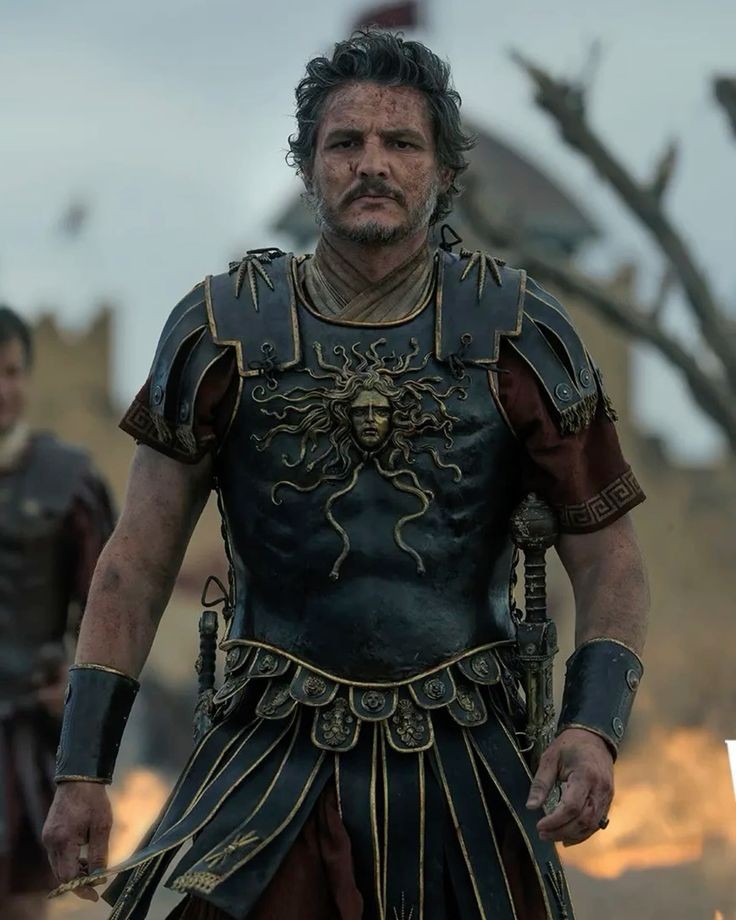
The Bloody Colosseum Demystified! The Hidden Truth of the Roman Gladiators
The Arena Was Not a Constant Slaughterhouse: Historian Reveals the Complex Reality Behind Roman Fighters
The iconic image of gladiators, burned into our popular culture thanks to Hollywood, often presents us with a spectacle of excessive violence and endless combats to the death. However, the historical reality of these warriors is much more nuanced and fascinating than movie screens have led us to believe. The historian Iban Martín, in a recent and revealing intervention in the popular podcast 'The Wild Project' by Jordi Wild, set out to dismantle the most deeply rooted misconceptions about the life and combats of gladiators.
Far from being a simple blood rite, the Roman arena housed a complex and, in many ways, surprisingly organized system. Martín emphasized that the idea that each confrontation ended with the death of one of the combatants is a persistent myth. “Not all combats were to the death,” the expert stated forcefully, dismantling one of the most widespread assumptions about these spectacles.
The social and economic structure of the gladiatorial world was considerably more diverse than is often imagined. While it is true that many gladiators were slaves, their number was complemented by other figures. War veterans, hardened in countless battles, and free citizens, often driven by economic necessity or harassed by debt, found in the sand a way to survive or to settle their financial commitments.
The gladiatorial schools, known as ludusoperated with a professionalism that bore similarities to modern sports organizations. These institutions were under the direction of the lanistasbusinessmen who managed and organized the shows. The gladiator, beyond being a simple fighter, represented a considerable economic investment. “A gladiator was an economic asset,” Martín stressed, explaining that the death of an experienced fighter not only represented a human loss, but also a significant financial blow, given the high cost and years of training involved in training a warrior.
One of the most crucial aspects addressed by the historian was the evolution of social perception of gladiatorial shows. The growing influence of Christianity marked a turning point in the morality of the time. “Death combats are being reduced because Christian morality is beginning to see it as very cruel,” Martín commented, pointing out how religious ideals began to erode the acceptance of extreme violence in the arena.
The Colosseum, that architectural colossus that evokes images of roaring crowds, was not just a scene of fighting, but a fundamental social space for Roman citizens. Admission to these events was free, which turned the amphitheaters into massive meeting points where the population could spend long days, enjoy various shows and even share food obtained from the animals sacrificed during the exhibitions.
The life of a gladiator was marked by rigorous training and iron discipline. Each fighter belonged to a specific school, where he received instruction in various combat techniques and learned to handle a variety of weapons. Diet was also an important factor in their preparation, seeking a robust build and optimal physical resistance to withstand the demands of the arena.
There are different types of gladiators, each with their own equipment and distinctive fighting style. He murmillofor example, carried a large rectangular shield and a short sword, while the retiarius He relied on a net, a trident and a dagger. These clashes between different types of gladiators added an element of unpredictability and strategy to the combats, increasing public interest.
The figure of the gladiator, despite his tragic fate, often enjoyed a certain popularity and admiration. Successful gladiators could achieve almost celebrity status, receiving recognition and rewards. However, their freedom was always subject to the will of their owners or their owners, and the risk of death or serious injury was a constant in their lives.
The ban on gladiatorial combat, which was gradually consolidated throughout the 4th and 5th centuries AD, was a reflection of the profound social and religious changes that the Roman Empire experienced. Christianity, with its emphasis on compassion and the sanctity of life, became an increasingly influential moral force, making the practice of bloody spectacles unsustainable.
The heritage of gladiators endures in Western culture, inspiring literary, cinematographic and artistic works. Its story reminds us of the complexity of ancient societies and the way in which public spectacles can be a mirror of their values, their fears and their aspirations. Historical research continues to reveal new layers of this fascinating facet of the Roman world, reminding us that the truth often surpasses the most elaborate fiction.
The figure of the gladiator, although tragic, embodies the fight for survival in a brutal world, but also the search for glory and recognition. His legacy invites us to reflect on the nature of spectacle, violence and the human condition throughout history.
Frequently Asked Questions about Roman Gladiators
Did all gladiatorial combats end in death?
No, not all combats were to the death. The Lanistas invested in their gladiators, so their death was an economic loss. Often, matches were stopped before one of the fighters died, especially if one proved superior or if the public begged for mercy.
Who were the gladiators?
Gladiators could be slaves, prisoners of war, convicted criminals or even free citizens who chose this profession for money or debt. There was great diversity in their social origins.
How were gladiators trained?
Gladiators trained in specialized schools called ludusdirected by the lanistas. They received instruction in combat techniques, weapons handling and a specific diet to improve their resistance and strength.
What types of gladiators existed?
There were various types of gladiators with different equipment and fighting styles, such as murmillo (with large shield and short sword) and the retiarius (with net and trident).
Were amphitheaters places only for combat?
No, amphitheaters were important social centers. In addition to the fighting, other shows were held and people spent much of the day there, even eating.
Why were gladiatorial combats banned?
The ban was mainly due to the growing influence of Christianity, which considered these spectacles too cruel, and to changes in the morals and priorities of the Roman Empire.
Were gladiators famous?
Successful gladiators could achieve a certain fame and be admired by the public, receiving rewards and recognition, although their freedom was always limited.
How much did a gladiator cost?
A gladiator was a considerable investment. The cost included its purchase (if it was a slave), training, maintenance and equipment. His death represented a significant economic loss.
Was the violence in the arena always extreme?
No, the violence was not always extreme. Although there were bloody fights, there were also rules and the possibility of a fight being stopped before death to preserve the lanista's investment or by public decision.
What legacy did the gladiators leave?
Gladiators have left a lasting cultural legacy, inspiring numerous works of art and entertainment, and serving as a reminder of the complexity of ancient societies and the nature of spectacle.
If you want to delve even deeper into the history and secrets of gladiators and other fascinating topics, join our community on Telegram: https://t.me/casino_gurus
https://casinos-guru.com/el-coliseo-sangriento-desmitificado-la-verdad-oculta-de-los-gladiadores-romanos/










 Pronóstico Deportivo: Džiugas Telšiai vs. Banga...
 Pronóstico: Celje vs Koper – 16 de mayo d...
 Pronóstico Deportivo: Diósgyőr vs Paksi –...
 Pronóstico Deportivo: Conner Huertas vs. Ignaci...
 Final en Roma: Coco Gauff vs. Elina Svitolina &...
 Pronóstico del partido: Italia vs. Canadá ̵...
 Pronóstico del partido Chelsea vs Manchester Ci...
 Pronóstico para el partido Madison Keys vs. Yul...
 Pronóstico Deportivo: Tristan Boyer vs. Dali Bl...