
The Mystery of European Disgust: Why Does the Insect Diet Taste Bitter?
Research Reveals Surprising Biological Basis for Western Repulsion toward Edible Insects.
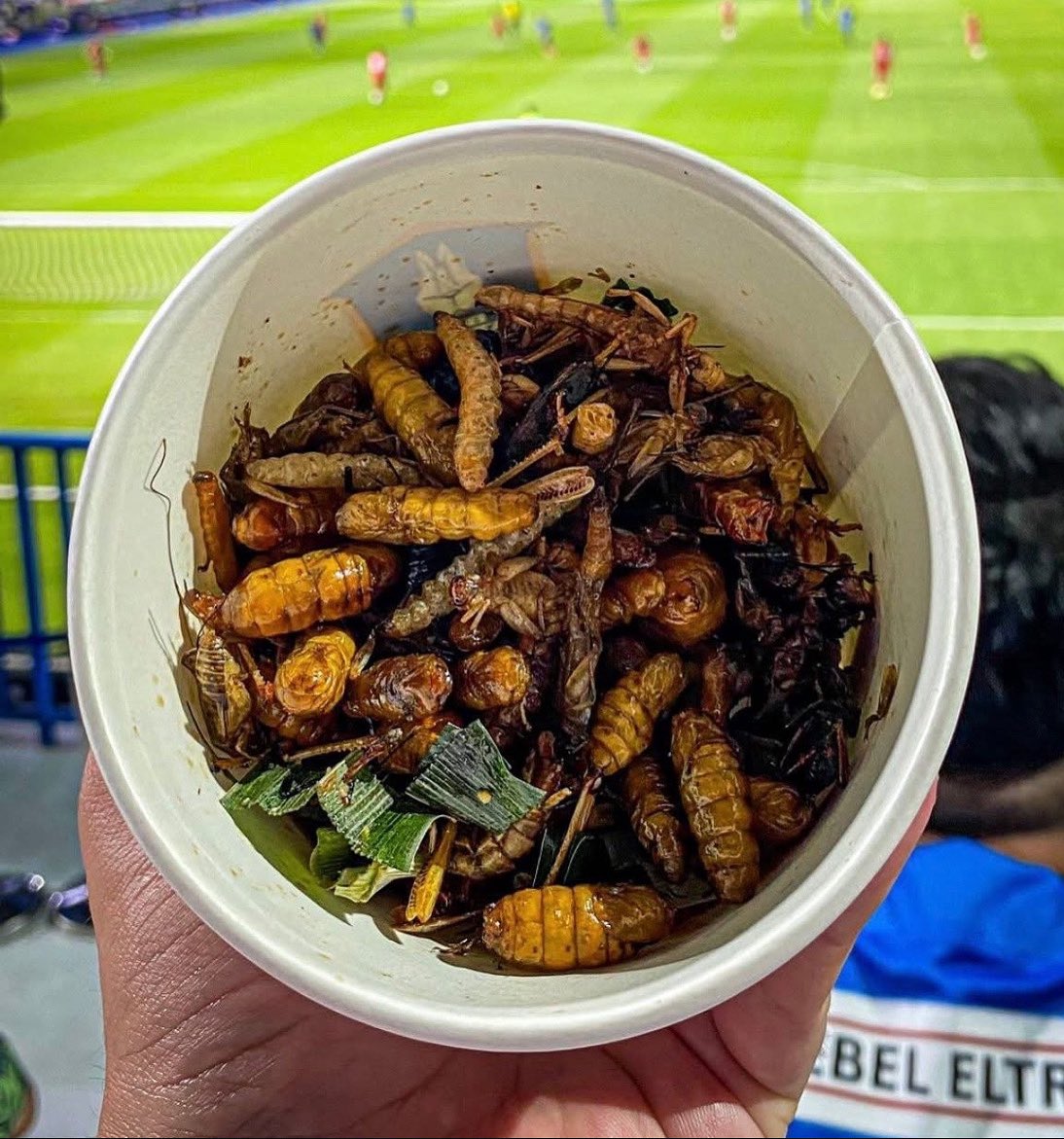
In a world increasingly aware of sustainability and nutritional efficiency, insects are emerging as a protein of the future. Millions of people in various cultures enjoy them daily, recognizing their low environmental impact and their protein richness. However, in Europe, the idea of incorporating these small beings into our menu generates, in most cases, deep repulsion. What is the reason for this marked cultural and biological difference?
A team of scientists from the Institute of Evolutionary Biology, a collaboration between the CSIC and the Pompeu Fabra University of Barcelona, has shed light on this enigmatic phenomenon. Their research, published in the prestigious journal 'Science Advances', suggests that there could be an ancestral biological explanation behind this aversion.
The key to this discovery lies in the analysis of 755 dental calculus samplesthe hardened tartar that accumulates on our teeth. These samples, taken from individuals who inhabited Eurasia over the past 33,000 years, act as biological time capsules, preserving the DNA of everything their bearers consumed.
What is fascinating about this study is the almost complete absence of genetic traces of insects in the dental calculus of prehistoric Europeans. This finding contrasts markedly with what is expected to be found in populations that did integrate insects into their diet on a regular basis. Paleogenomics, a science that studies the DNA of fossil remains, has advanced in leaps and bounds, allowing us to recover invaluable information from organisms ingested millennia ago.
For at least the last 9,000 years, genomic signal from frequently consumed insects is virtually non-existent in the Eurasian samples analyzed. This suggests that, far from being a simple cultural or gastronomic prejudice, European aversion to insects could have much deeper roots.
This discovery reopens a debate that seemed stagnant. Until now, it was argued that Western rejection was a cultural barrier that could be overcome through education and gradual exposure. However, the study from the Institute of Evolutionary Biology points to a real biological layer in this aversion, although not necessarily insurmountable. Strategies to introduce insects into the Western diet may have overlooked this crucial biological factor.
The repulsion towards insects in Europe would not, therefore, be a simple matter of imagination or changing culinary tastes. It appears to be, to a large extent, an accumulated inheritance of approximately 9,000 years of calorie selection in cold areas. During this long period, the availability of other food sources, such as meat, may have favored those individuals with a lower propensity to consume insects.
This finding raises a new horizon of research. The next logical step would be to quantify to what extent food transformation processes or supplementation with specific enzymes, such as chitinases, could help close this enzymatic gap and facilitate insect digestion. Biology has set a limit, and now biotechnology faces the challenge of measuring and, perhaps, expanding the room for maneuver.
This study not only reveals the reason for a European gastronomic peculiarity, but also opens the door to future food innovations. Science reminds us that our likes and dislikes often have complex and fascinating explanations, intertwining our biology with our evolutionary history.
Frequently Asked Questions about Insect Consumption
Why are insects an efficient source of protein?
Insects are rich in high-quality proteins, vitamins and minerals, and require significantly fewer resources (water, feed, land) for their production compared to traditional livestock farming.
Is it safe to eat insects?
Yes, as long as you consume insects raised specifically for human consumption and are prepared properly. Wild insects may contain pesticides or parasites.
What type of insects are usually consumed?
The most common insects for consumption include crickets, grasshoppers, mealworms, and tenebrium larvae.
How are insects prepared to eat?
Insects can be toasted, fried, ground into flour or incorporated into various dishes such as energy bars, pastas or snacks.
Is the aversion to insects exclusive to Europe?
No, the aversion to insects as food is more pronounced in some Western cultures. In many other parts of the world, such as Asia, Africa and Latin America, eating insects is a traditional and appreciated practice.
Can biotechnology help overcome insect aversion?
It is being investigated whether modifying the composition of insects or using specific enzymes (chitinases) could facilitate their digestion and make them more acceptable to the Western palate.
What does “caloric selection in cold areas” mean?
It refers to how food availability and environmental conditions may have influenced the evolution of a population's food preferences over thousands of years.
Are there any health risks from eating insects?
The main risks come from contamination or the presence of allergens. People who are allergic to crustaceans could also be allergic to insects, since they share similar proteins.
Are insects a real solution to global food security?
Many experts consider that entomophagy (the consumption of insects) has great potential to contribute to food security due to its productive efficiency and nutritional profile.
Where can I find more information about edible insects and gastronomy?
We invite you to join our community on Telegram to discover more about this fascinating world: https://t.me/casino_gurus
https://casinos-guru.com/el-misterio-del-asco-europeo-por-que-la-dieta-de-insectos-nos-sabe-amarga/










 Pronóstico Deportivo: Džiugas Telšiai vs. Banga...
 Pronóstico: Celje vs Koper – 16 de mayo d...
 Pronóstico Deportivo: Diósgyőr vs Paksi –...
 Pronóstico Deportivo: Conner Huertas vs. Ignaci...
 Final en Roma: Coco Gauff vs. Elina Svitolina &...
 Pronóstico del partido: Italia vs. Canadá ̵...
 Pronóstico del partido Chelsea vs Manchester Ci...
 Pronóstico para el partido Madison Keys vs. Yul...
 Pronóstico Deportivo: Tristan Boyer vs. Dali Bl...