

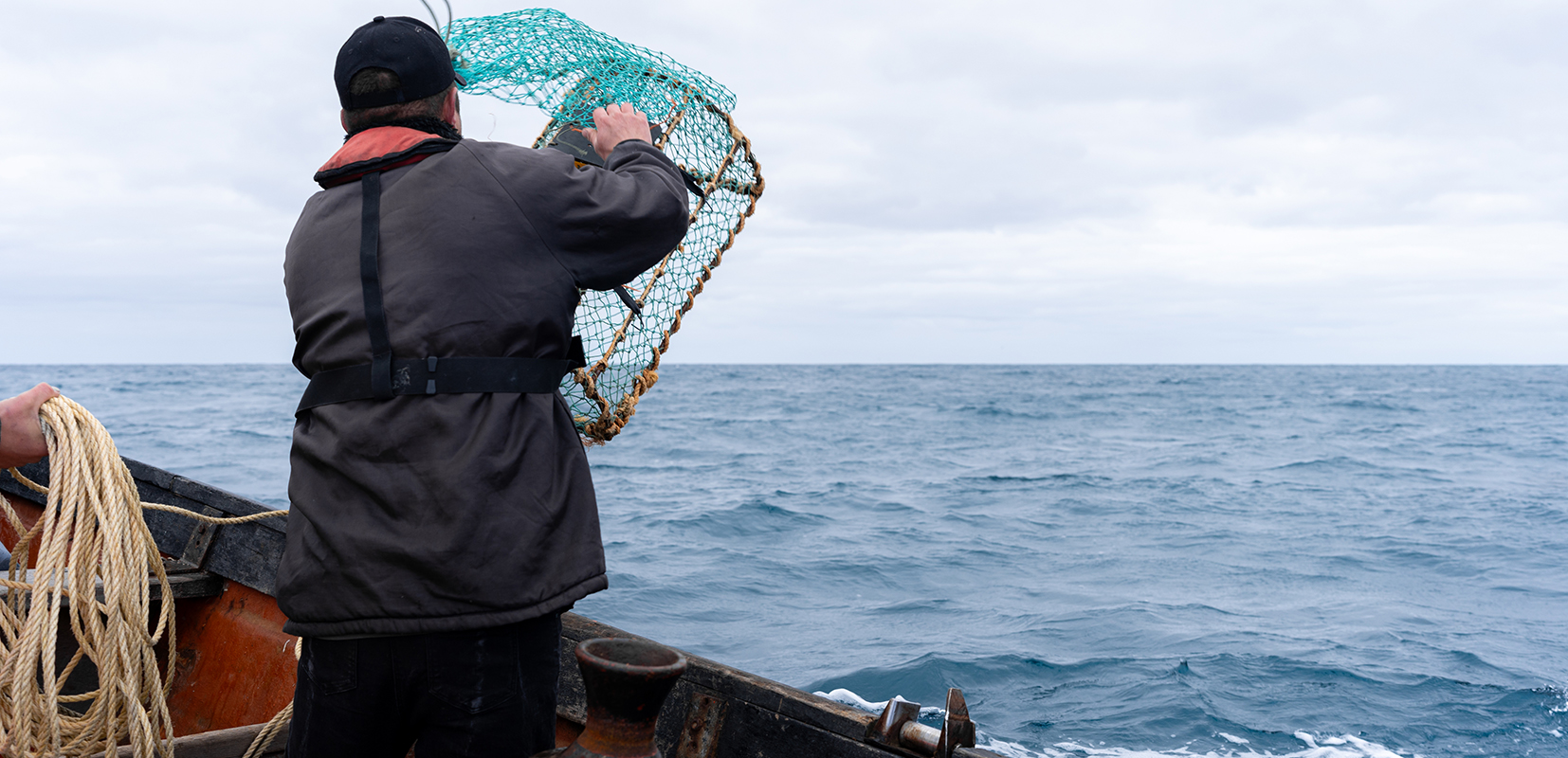
Ghost Nets in the Mediterranean: Spain and Morocco on the Fishing Tightrope
The Spanish sector cries out against unfair competition and the ecological impact of Moroccan driftnets.
The tranquility of the Mediterranean, that sea that has provided so much sustenance to our coasts, is clouded by a shadow of conflict. An investigation of the NGO Environmental Justice Foundation (EJF) has set off the alarms, putting on the table a high-voltage dispute between the fishing sector of Spain and Morocco. The organization denounces a practice that resonates strongly in the Spanish docks: the persistence of the use of drift nets by Moroccan vessels in such vital waters as the Alboran Sea and other areas of the Mediterranean.
These nets, true traps suspended in the blue immensity, act as implacable barriers that indiscriminately capture everything in their path. Its modus operandi, as effective as it is devastating, does not distinguish between the desired fish and the marine fauna that shares the ecosystem.
The European Union, aware of the irreparable damage that these fishing gears inflict, declared them prohibited long ago. The reason is clear and forceful: its very high mortality on non-target species. Dolphins, sea turtles and various species of sharks They become collateral victims of fishing that ignores sustainability. The impact on the ecosystem is, simply, catastrophic.
For years, organizations representing Spanish and European fishermen have been raising their voices against what they consider a unfair competition flagrant. While community fleets are forced to navigate under a strict regulatory framework, with rigorous limitations on catches, net sizes, days of work and strict protection of threatened speciesthird country vessels appear to operate with a freedom that defies logic and fairness.
The frustration is palpable. How is it possible that products caught using methods prohibited for European fleets can, without further ado, be landed and marketed on the community market? This is the question that resonates strongly in Spanish ports.
One of the most sensitive points of this debate is the fish traceability. Know with certainty Where does the fish that reaches our tables come from? has become an imperative demand. The fishing sector and environmental organizations urge the implementation of more exhaustive controls to guarantee that imported products comply, without fissures, with the same regulations that apply to fishing within the European Union.
The focus is especially on species of high commercial value, such as swordfish. This noble inhabitant of the deep, coveted for its meat, is subject to international regulations designed to prevent overfishing and safeguard scarce marine resources.
To date, complaints have come mainly from environmental organizations and the European fishing sector. It is important to emphasize that, for the moment, there is no official decision by the authorities of the European Union or by the courts to conclusively support these accusations against Morocco. The debate is open, and the waters, far from calming down, seem agitated.
But the discomfort of the Spanish fishing sector transcends the merely ecological. He economic component is a fundamental driver of this controversy. The fishermen denounce that the problem not only lies in the fishing gear used, but also in how that product enters the European market.
A considerable portion of the swordfish caught in Morocco is destined for export, and Spain stands as one of the main recipients. The national market absorbs a significant share of these imports, generating direct competition that greatly worries the local sector.
Another important factor is added to this equation: the opacity in product traceability. Fishing organizations warn of possible gaps in origin control. There is a suspicion that some of the fish caught using controversial methods could later be declared as obtained by longline. This technique, consisting of deploying a long rope with multiple hooks to capture individual fish, is allowed.
This practice, the sector argues, makes it extremely difficult to distinguish between products and ensure that the same regulations are applied throughout the entire supply chain, from capture to the final consumer.
Frequently Asked Questions:
What are driftnets and why are they prohibited?
They are large nets suspended in the sea that capture fish indiscriminately. They are banned in the EU due to their high impact on non-target species such as dolphins and sea turtles, and due to damage to the ecosystem.
Who denounces the use of driftnets by Morocco?
The NGO Environmental Justice Foundation (EJF) is the main organization that has brought this complaint to the table.
What species are most affected by these networks?
Non-target species such as dolphins, sea turtles and some sharks are the most affected, in addition to commercial fishing for species such as swordfish.
What does the Spanish fishing sector argue?
They denounce unfair competition because Moroccan fleets would use fishing gear prohibited in the EU, while European fishermen must comply with strict regulations.
What species are of particular concern regarding imports?
Swordfish is one of the most monitored species due to its commercial value and international regulations to prevent overfishing.
Is there any official EU decision on these accusations?
So far, there is no official decision from EU authorities or courts confirming these accusations against Morocco.
What is the economic component of this conflict?
The Spanish fishing sector points out that the problem is not only the fishing gear, but also how the Moroccan product accesses the European market, competing directly with Spanish fish.
What does “product traceability” mean in this context?
Refers to the ability to trace the origin of the fish. Fishing organizations warn that there could be gaps in this control, making it difficult to distinguish legally caught products.
What is longlining?
It is a permitted fishing technique that uses a long rope with many hooks to catch fish one by one. There is concern that fish caught with driftnets are falsely declared as being caught by longlines.
Where can I get more information on this topic?
For more details and discussions about the world of betting and casino, we invite you to join our community on Telegram: https://t.me/casino_gurus
https://casinos-guru.com/redes-fantasma-en-el-mediterraneo-espana-y-marruecos-en-la-cuerda-floja-pesquera/