

Supplements in Cycling: Allies or Enemies of Performance?
The naked truth about external help on the road and in the mountains
In the fast-paced world of cycling, where every watt counts and endurance is king, a recurring question arises: do cyclists need to resort to supplements to reach their full potential? The answer, as is often the case in elite sport, is far from a simple yes or no. It is a complex nuance that navigates between science, physiology and the individual needs of each athlete.
The temptation to find a magic pill that boosts performance is great. However, experts agree on one fundamental point: the basis of any solid nutritional strategy for a cyclist must be a balanced and varied diet. Fruits, vegetables, legumes, fish, extra virgin olive oil, whole grains, nuts and quality proteins make up the pillar on which the athlete's energy, recovery and health are based. Supplements, in this scenario, are not substitutes, but rather complements for very specific situations.
From a physiological perspective, the body does not discriminate the origin of a nutrient. Whether it comes from a bowl of lentils or a packet of powder, the body processes it in a similar way. The crucial difference lies in the context. Food offers us a complete package of nutrients, fiber, antioxidants and bioactive compounds that work in synergy. Supplements, on the other hand, typically isolate a specific substance with a defined purpose.
Therefore, the first question that every cyclist should ask themselves is whether there really is a physiological need that justifies taking a supplement. In many cases, optimizing rest, improving hydration or correcting imbalances in the general diet can provide much greater benefits than the addition of external products.
However, there are circumstances where certain supplements have proven their worth, backed by scientific evidence and their practical application in sports. Caffeine is one of the best known and used. Its action on the central nervous system helps to reduce the perception of effort, increases alertness and, consequently, can allow higher intensities to be sustained or delay the onset of fatigue.
Its application is especially relevant before highly demanding training or competitions. However, the response to caffeine is individual, and excessive consumption can cause unwanted effects such as nervousness or digestive discomfort. Finding the right dose and timing is crucial.
Creatine, often associated with strength disciplines, also finds its place in endurance cycling. Its ability to improve energy production in explosive efforts can be decisive in sprints, changes of pace or in neuromuscular work. In addition, it contributes to better muscle recovery and the maintenance of lean mass, vital aspects in periods of high training load.
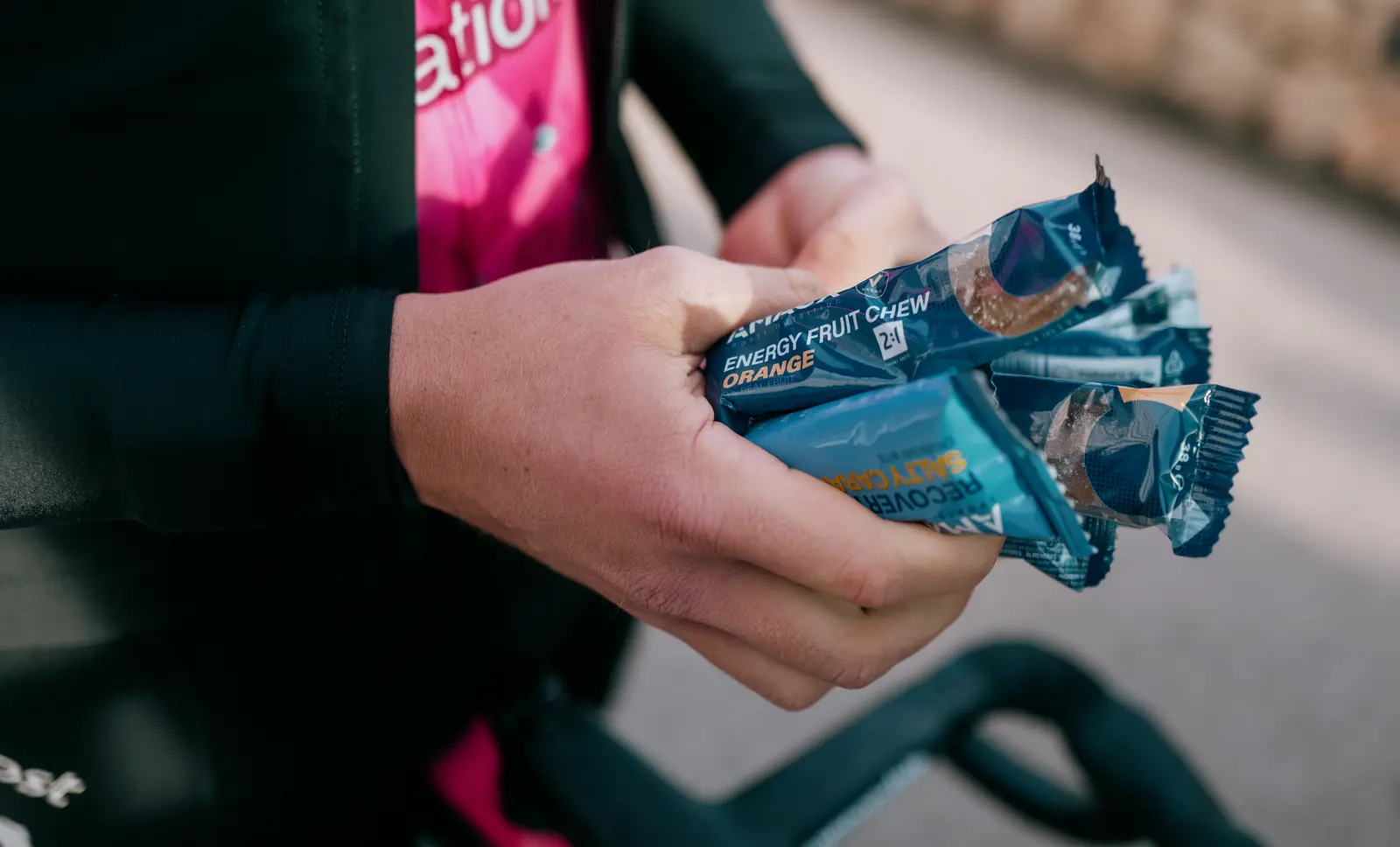
Carbohydrates, in the form of gels, bars or sports drinks, are essential tools during prolonged efforts. During long outings or competitions, maintaining a constant glucose supply is essential to postpone fatigue and sustain performance. In this case, the supplement does not come to plug holes in a poor diet, but rather to cover a specific energy demand from exercise.
Vitamin D, especially in regions with little sun exposure or during the winter months, can be an interesting supplement. Its influence goes beyond bone health, actively participating in muscle function and the immune system. However, supplementation without a diagnosed deficiency does not guarantee additional benefits.
With omega-3 fatty acids, the situation is similar. If the cyclist's diet includes oily fish on a regular basis, supplementation is likely not necessary. However, for those with a low intake, omega-3s may be beneficial in modulating inflammation and promoting cardiovascular health.
In certain cases, supplementation with minerals such as iron becomes especially relevant, particularly in endurance sports. It is vital to emphasize that iron supplementation without a confirmed deficiency not only does not improve performance, but can be harmful. This is a clear example that not everything that is sold as “help” is automatically beneficial.
The real problem arises when supplements are used without scientific criteria, expecting miraculous results. Many promises of bursting energy, instant recovery or accelerated fat burning lack solid backing or their benefits are marginal. The accumulation of unnecessary supplements results, in most cases, in superfluous financial expenditure and an additional digestive burden, without a tangible improvement in performance.
It is essential to remember that no supplement can compensate for structural errors in training planning, lack of rest or an unbalanced diet. Optimizing these pillars is the safest and most effective path to sporting success.
Frequently Asked Questions about Cycling Supplements
Is it mandatory to take supplements to be a good cyclist?
Not at all. A balanced diet and good training planning are the basis. Supplements only complement in specific situations.
When is it advisable to drink caffeine?
Mainly before demanding training or competitions to reduce the perception of effort and improve alertness.
Is creatine only good for strength?
No, in cycling it can help in explosive efforts, sprints and muscle recovery.
Are energy gels necessary on all outings?
They are very useful in prolonged efforts to maintain glucose availability and delay fatigue.
When should you consider vitamin D?
If you have little sun exposure or during times with less light, as it influences muscle and immune function.
If I eat oily fish, do I need omega-3?
Probably not. If your diet is rich in oily fish, you may not need to supplement.
Is it dangerous to take iron without being low in iron?
Yes, it can be counterproductive and does not improve performance. Always under medical supervision.
What happens if I take too many supplements at once?
It can generate financial expense, digestive burden and few real benefits if they are not well justified.
Do supplements fix a poor diet?
No never. They are a complement, not a substitute, for a healthy diet.
Where can I find more reliable information on sports nutrition?
For personalized tips and strategies, we invite you to join our community on Telegram. We are waiting for you!
https://casinos-guru.com/suplementos-en-el-ciclismo-aliados-o-enemigos-del-rendimiento/