

Gasoline 95 and 98? The truth is that it will save you money on each refueling!
Debunking myths: Mixing fuels in your car, a problem or a saving?
In the year 2026, the doubt about the compatibility of 95 and 98 gasoline continues to resonate with every visit to the service station. Many Spanish drivers face this dilemma, aware of the difference in octane, but uncertain about the consequences of mixing both types of fuel. What really happens if we combine these two options in the tank of our vehicle?
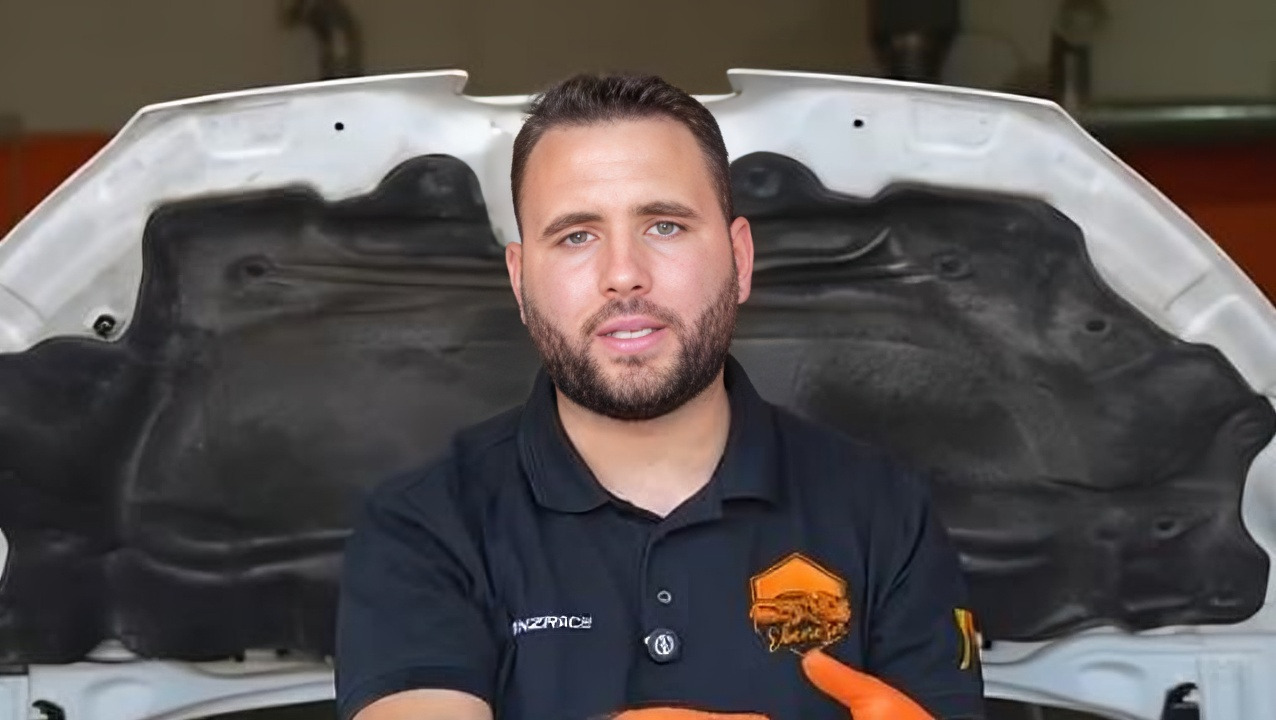
Juan José Ebenezer, a renowned TikTok content creator and mechanical expert, has shed light on this topic in one of his recent viral videos. “If you mix 95 gasoline and 98 gasoline, nothing happens to the car. At least here in Spain,” said the specialist, thus dispelling one of the most common concerns among motorists.
To understand the explanation, it is essential to understand the concept of octane. “The octane rating allows you to have more compression inside the cylinder without self-detonation,” details Ebenezer. In essence, the fuel, when subjected to high pressures and temperatures inside the engine, tends to ignite spontaneously, a phenomenon similar to that which occurs in diesel engines.
However, in gasoline engines, the process is different. Ignition is produced by a spark. The goal is for the fuel to mix properly with the air and not detonate until the spark appears. “With octane, what we are going to do is prolong that process. That is, we are going to have more compression and more control over that fuel,” explains the mechanic.
The key to the issue lies in the adaptation of the vehicle. If your car is designed to run on 95 gasoline, as is the case with most vehicles in Europe and Spain, “by putting 98 gasoline in it the only thing you are going to do is waste money on raising the octane that you are not taking advantage of,” warns Ebenezer. Therefore, the mixture of 95 and 98 does not have a negative impact on engine operation.
It is important to highlight that this statement applies to the European and Spanish context. The situation may vary in other regions of the world. “In some areas of the world where you do have engines or racing cars, ones that require a higher octane rating, like 105, for example, if you are putting 98 gasoline in, you are reducing the octane rating and you are going to have engine ignition problems,” the expert clarifies.
However, in our country, the regulations and design of conventional gasoline engines allow compatibility. “But here, in Europe and in Spain, the normal thing is that you can mix 95 and 98. The fuel, in theory, is the same,” concludes the content creator, offering relief to drivers and a possible way to save on each visit to the gas station.
The general recommendation is to follow the instructions of your vehicle manufacturer. If your car specifies the use of 95 gasoline, it is not necessary to use 98, and mixing both will not harm the engine. On the other hand, if your vehicle requires 98 gasoline, using 95 may not offer optimal performance. The key is knowing your car and its specific needs.
This knowledge not only avoids unnecessary expenses, but also promotes more efficient use of fuel. The next time you find yourself at the pumps, remember the words of Juan José Ebenezer and make the smartest decision for your pocket and your vehicle.
Automotive technology advances, but the basic principles of internal combustion remain fundamental. Understanding octane and its function empowers you as a driver, allowing you to make informed decisions and optimize the driving experience.
In summary, for the vast majority of vehicles in Spain, mixing 95 and 98 gasoline is not only safe, but it can also be a way to manage fuel costs without compromising engine performance. The main difference lies in the fuel's ability to resist premature detonation under high pressures, something that conventional Spanish engines do not require as critically as competition engines.
So, the next time you hesitate at the gas station, keep in mind that in Spain, mixing 95 and 98 is a safe practice. Save smartly and enjoy your trips!
The automotive industry, always evolving, presents constant innovations. However, understanding the basics, such as how octane works, gives the driver valuable decision-making power. Knowing your vehicle is the first step to optimal maintenance and significant savings.
The difference between 95 and 98 gasoline lies mainly in their octane rating, which measures the fuel's resistance to detonation. A higher octane rating means greater resistance to autoignition under compression. High-performance engines, often designed for racing, require higher octane fuels to prevent premature detonation, which can damage the engine.
In the Spanish context, street vehicle engines are calibrated to operate optimally with 95 octane gasoline. Using 98 octane gasoline in these vehicles will not provide benefits in terms of power or efficiency, and will simply result in additional expense. Mixing the two, therefore, dilutes the higher octane without causing damage.
It is crucial to remember that this information is specific to the Spanish and European market. In other regions, where engine specifications and fuel quality may vary, recommendations may be different. It is always advisable to consult your vehicle's owner's manual for accurate information on the recommended fuel type.
Consumer education is a powerful tool. By demystifying concepts like octane and fuel mixing, drivers are empowered to make more informed and economical decisions. Transparency and the dissemination of accurate information are fundamental pillars in the digital age.
In short, the next time you are faced with the choice between 95 and 98 gasoline in Spain, you can do so with greater confidence. The mixture is safe and the key is to align your choices with the needs of your vehicle. Drive smart and save with every kilometer!
Frequently Asked Questions
-
What is the octane rating of gasoline?
Octane rating is a number that indicates the resistance of gasoline to detonation or autoignition under compression within the engine cylinder. -
What happens if I mix 95 and 98 gasoline in my car in Spain?
In Spain, if you mix 95 and 98 gasoline, nothing happens to your car. It is a safe practice for most vehicles. -
Why does 98 gasoline have a higher octane rating?
98 gasoline has a higher octane rating to better resist detonation in high compression or competition engines, avoiding premature autoignition. -
Is it harmful to my car to use 98 gasoline if my car recommends 95?
It is not harmful, but it does not provide benefits either. You would be spending more money on octane that your engine does not need to take advantage of. -
Does my high-end gasoline car necessarily need 98 gasoline?
It depends on the manufacturer's specifications. High-end or sports cars usually require 98 octane to optimize their performance, but you should always consult the manual. -
Does the mixture of 95 and 98 affect fuel consumption?
It should not significantly affect fuel consumption if your car is designed for 95 octane. -
Is 95 and 98 gasoline the same in other countries?
Specifications and regulations may vary. The information provided is specific to Europe and Spain. -
Can I use 95 gasoline in a car that recommends 98?
It is not recommended. You could experience ignition problems or a loss of performance, which could affect the engine in the long run. -
Where can I find more information about fuels and cars?
We invite you to join our community on Telegram for up-to-date information and expert advice: https://t.me/casino_gurus
https://casinos-guru.com/gasolina-95-y-98-la-verdad-que-te-ahorrara-dinero-en-cada-repostaje/